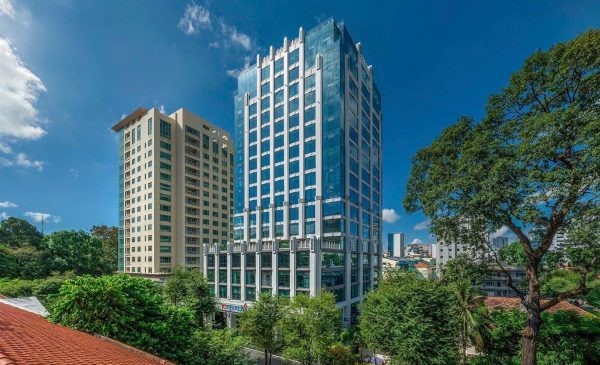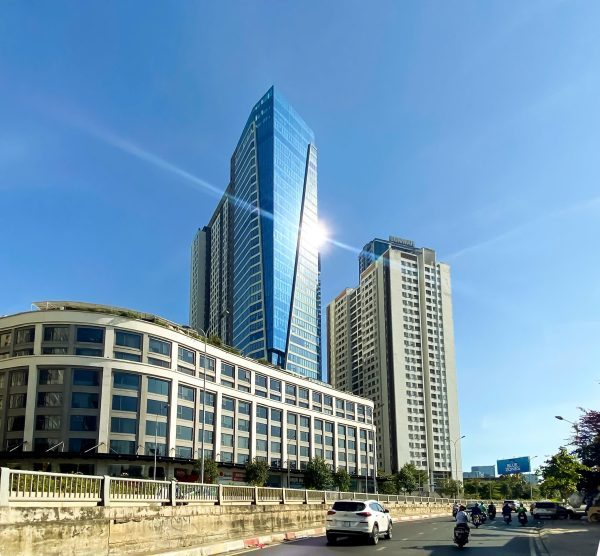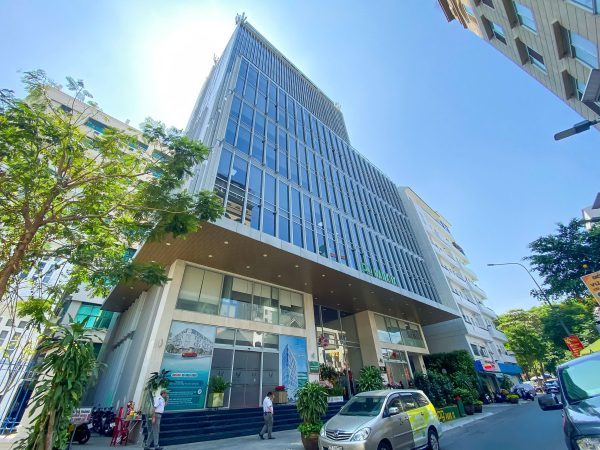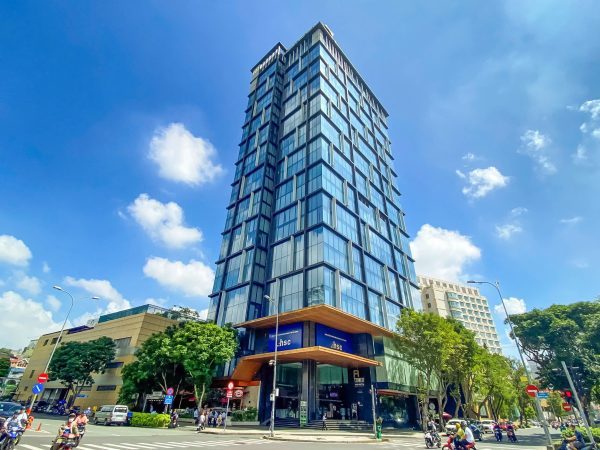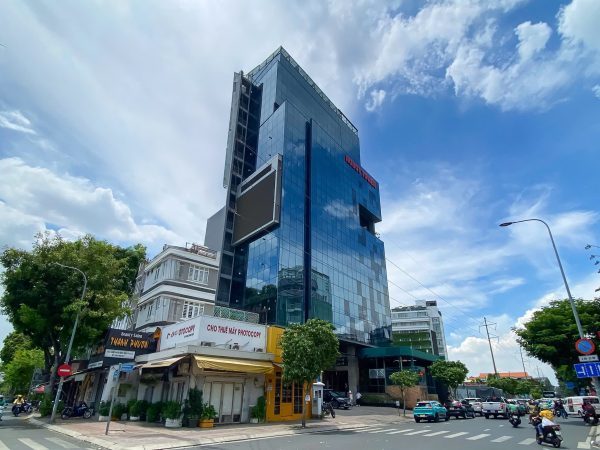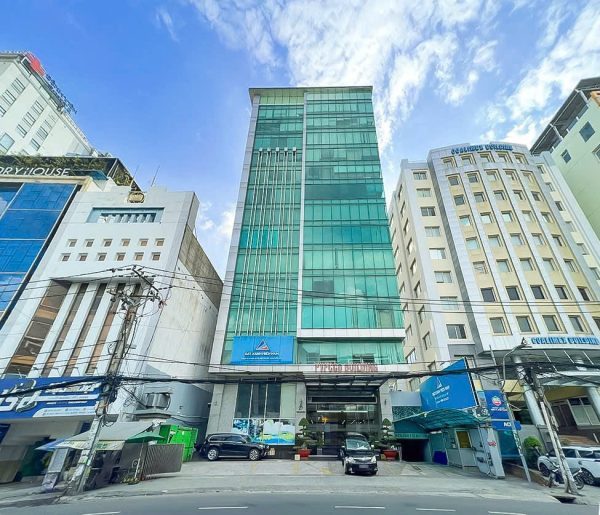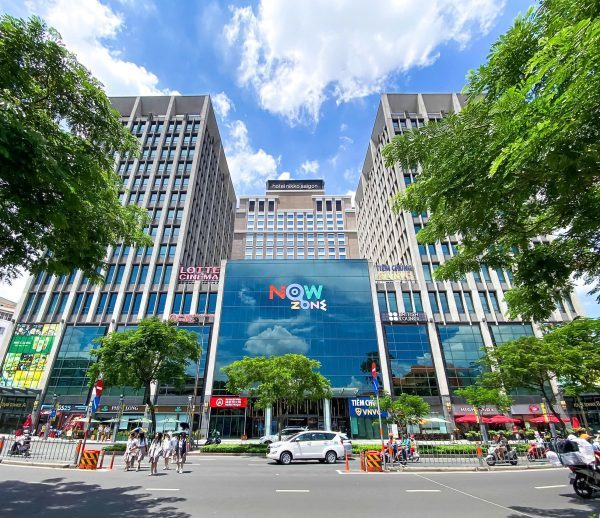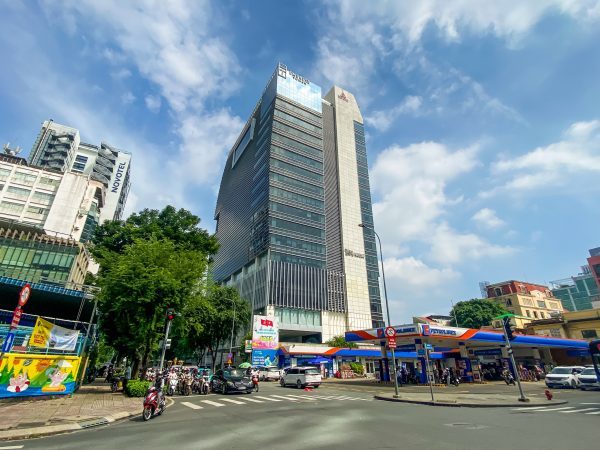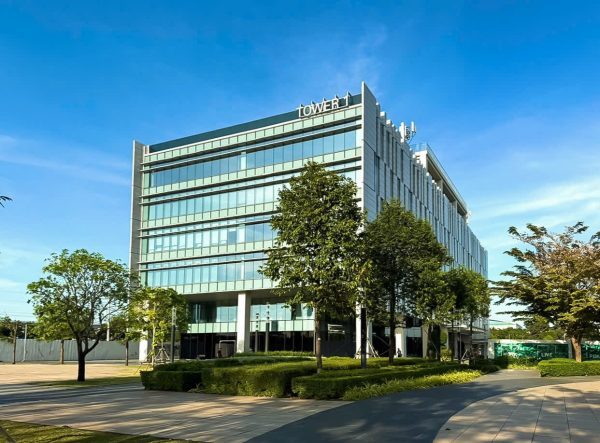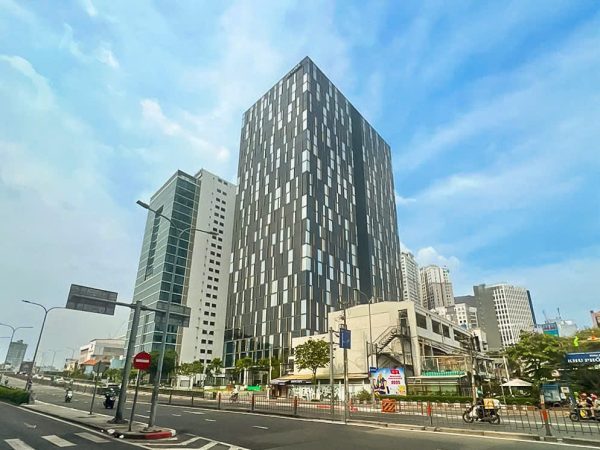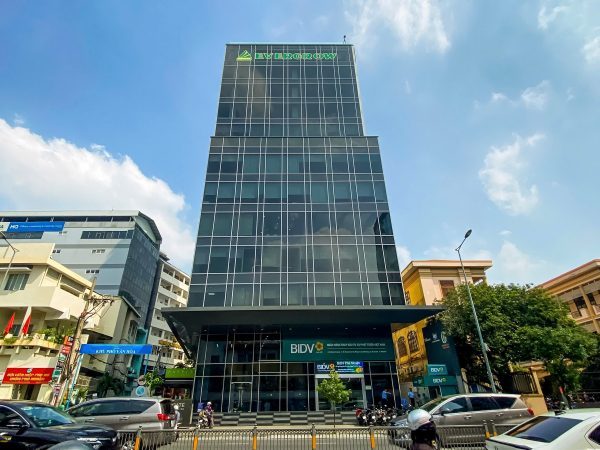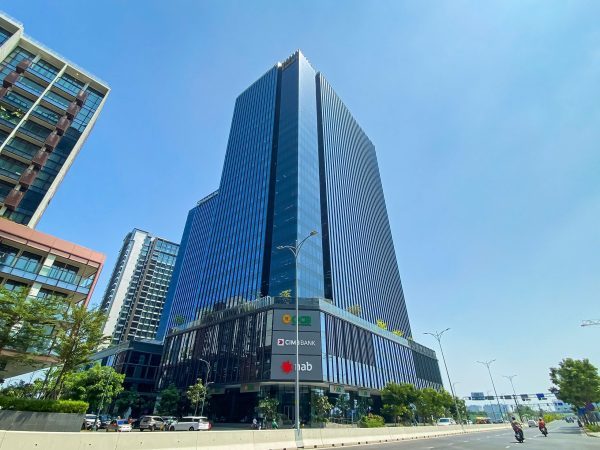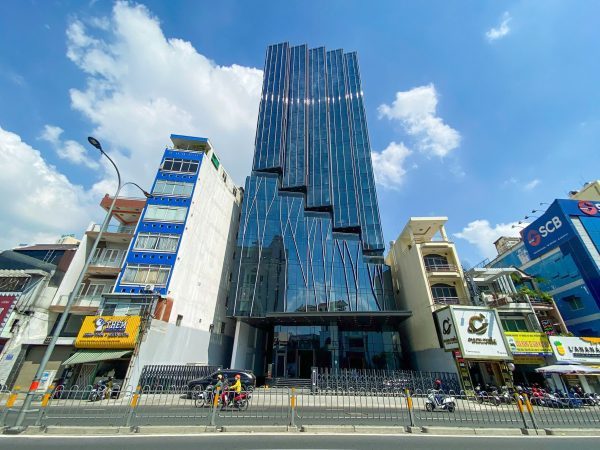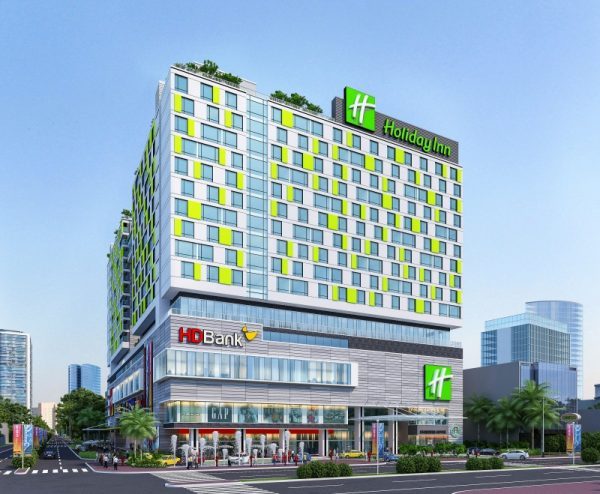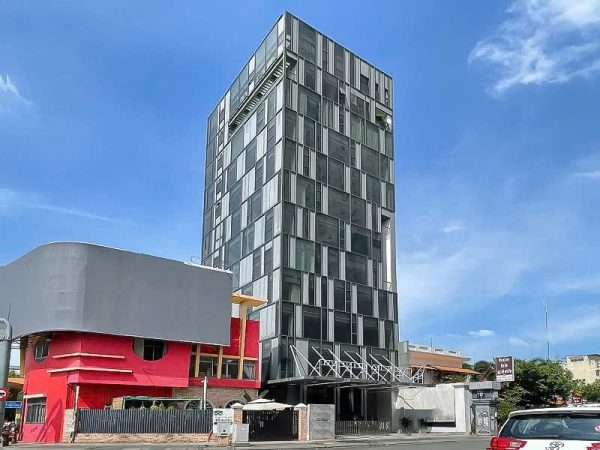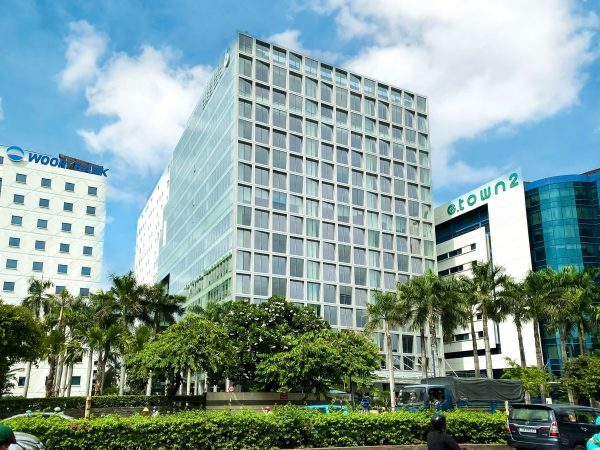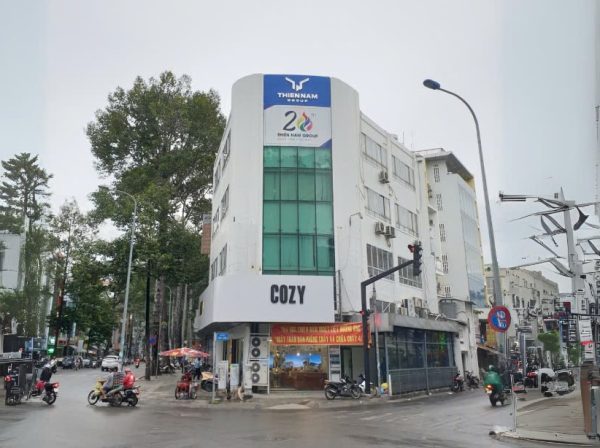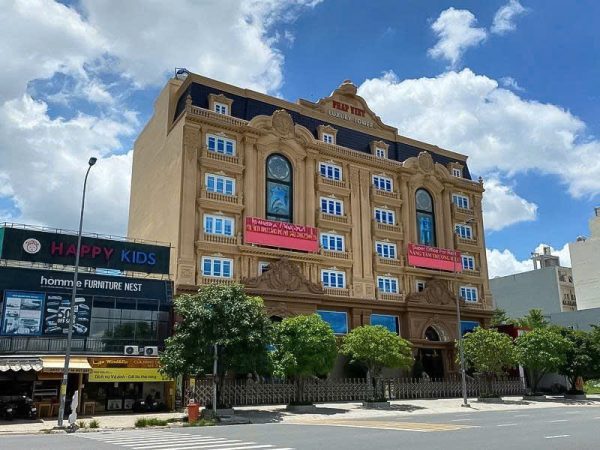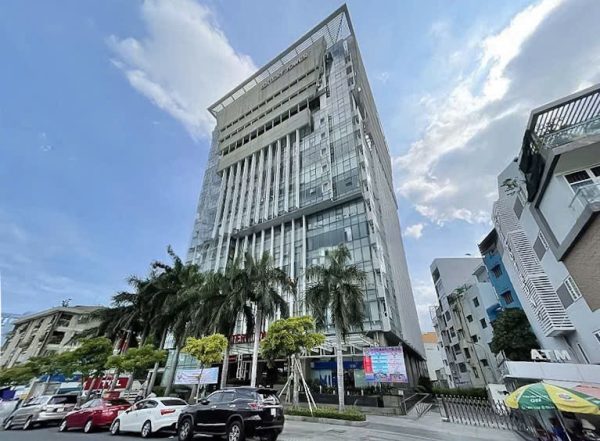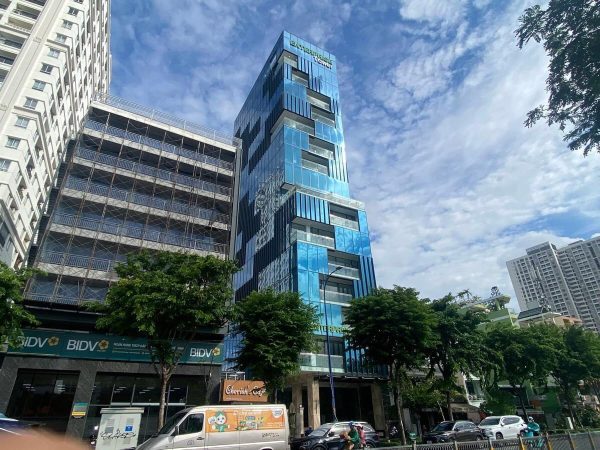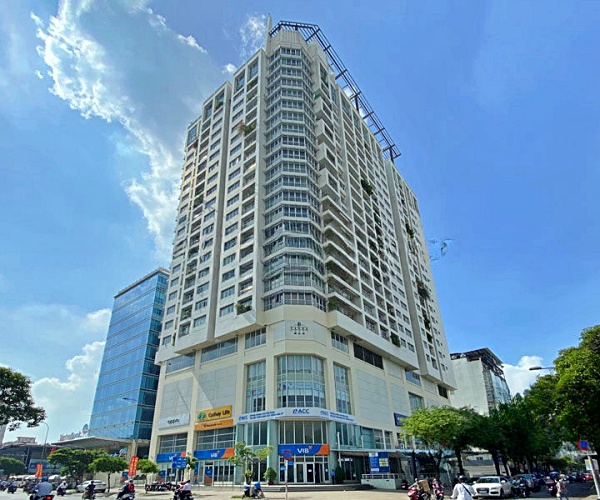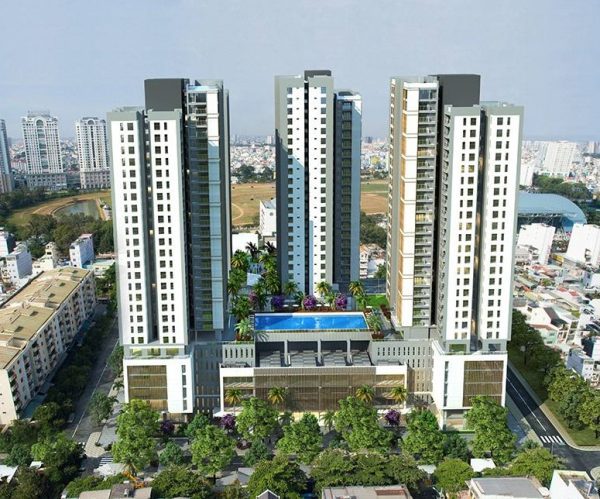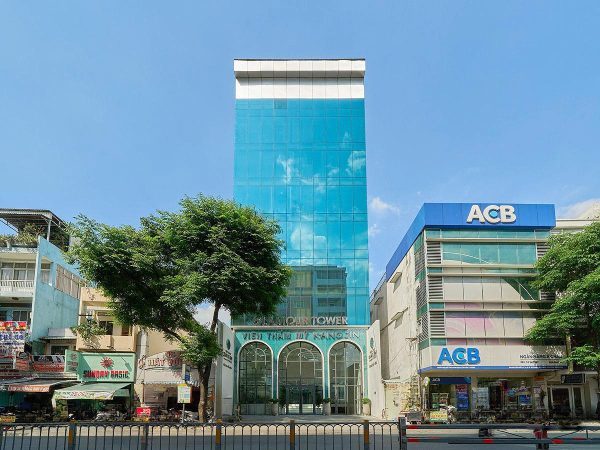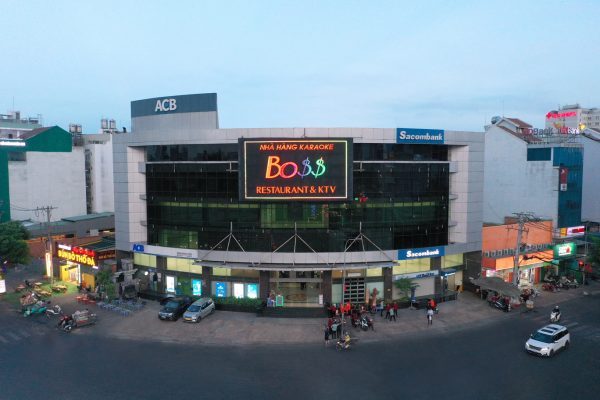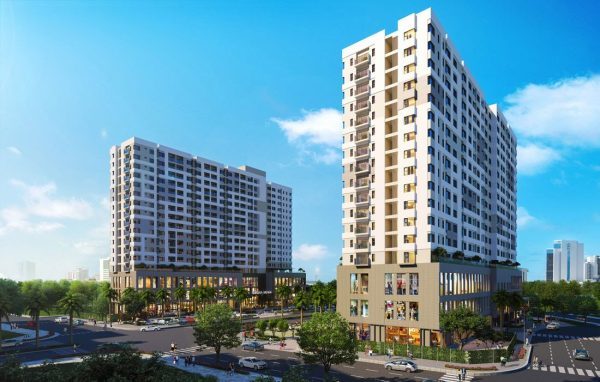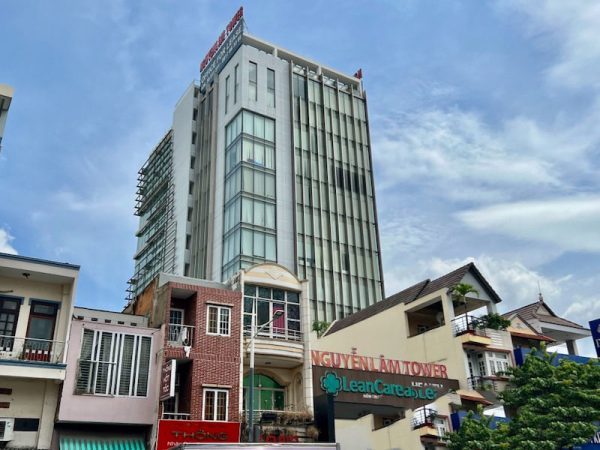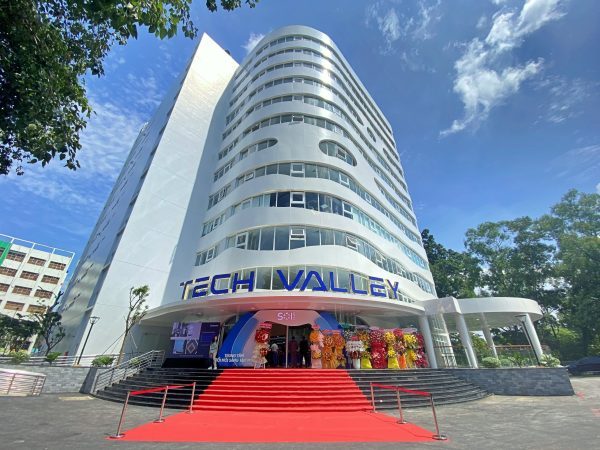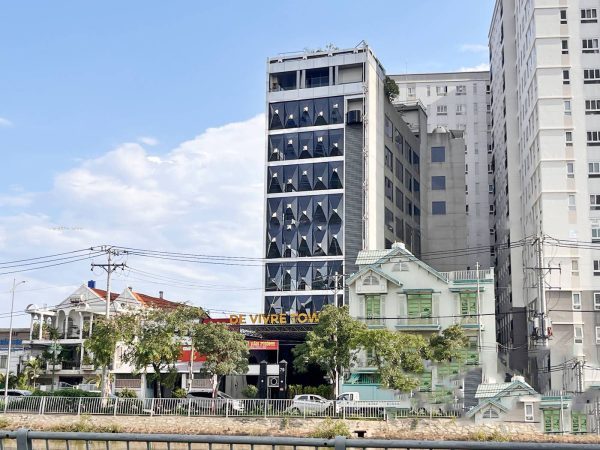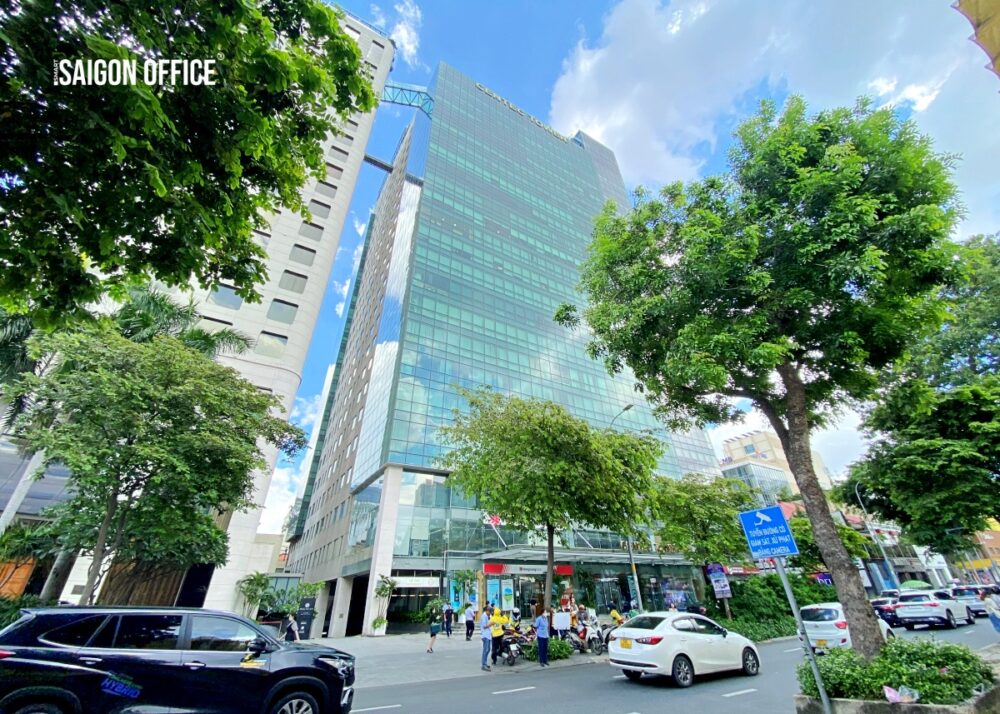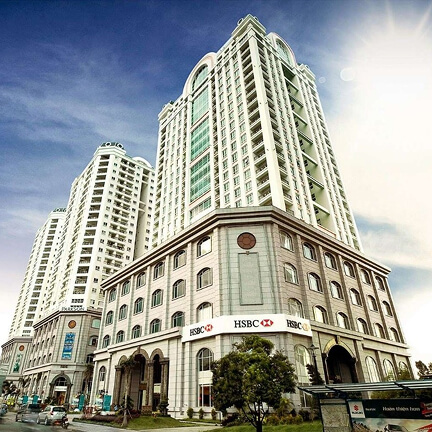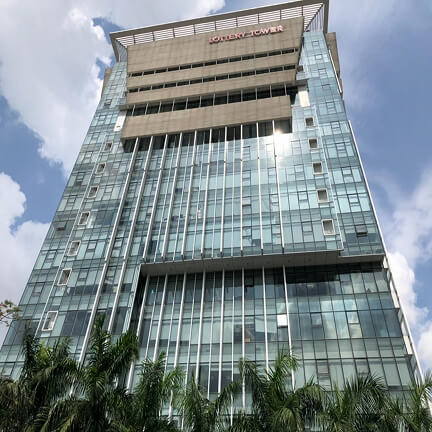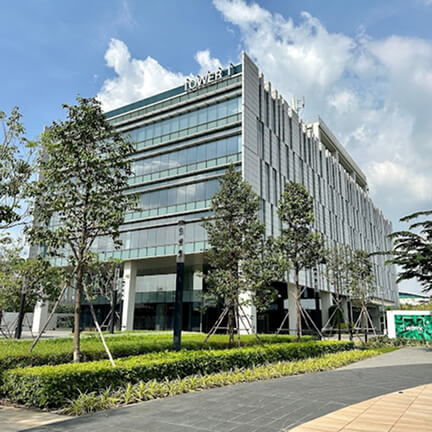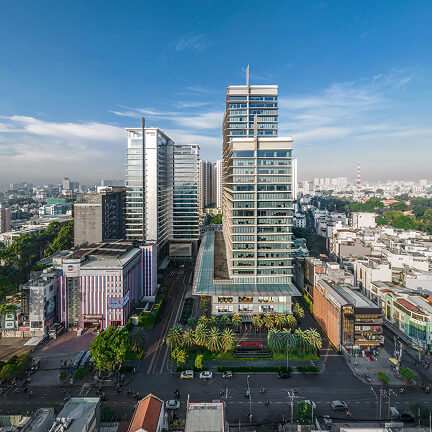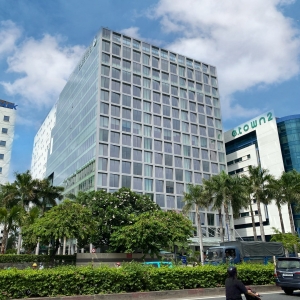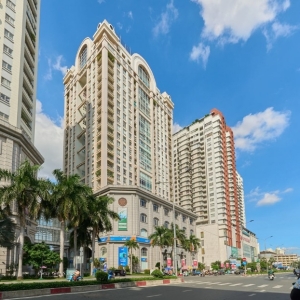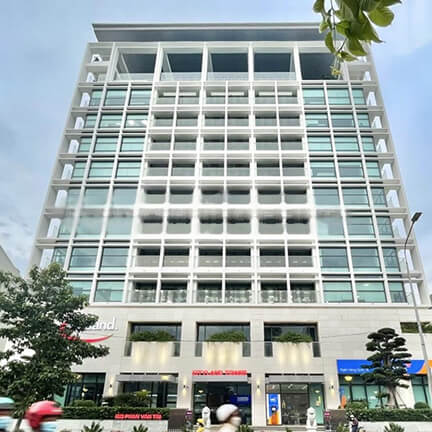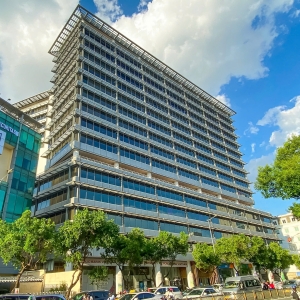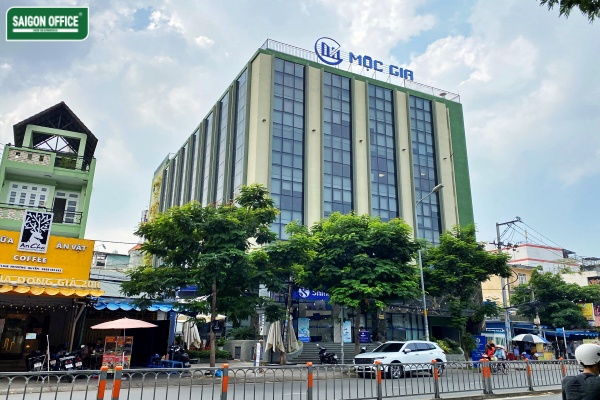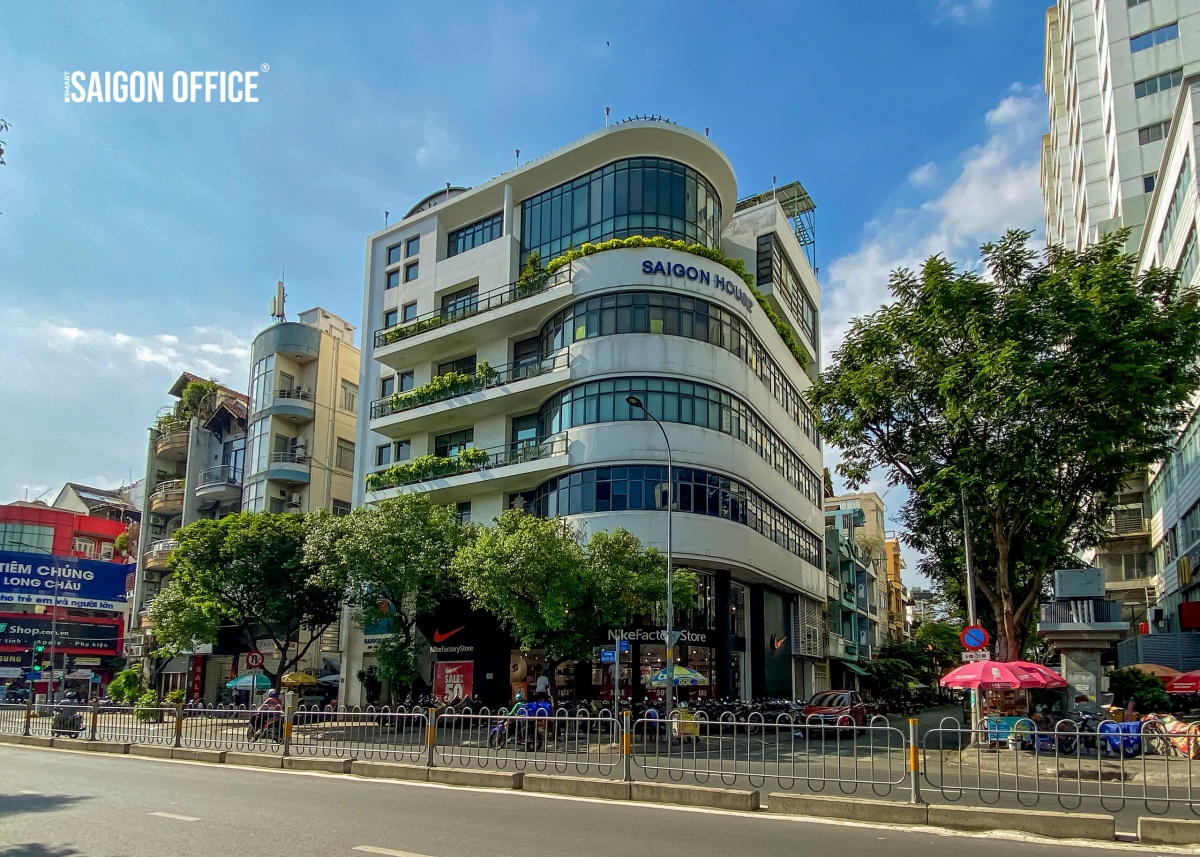

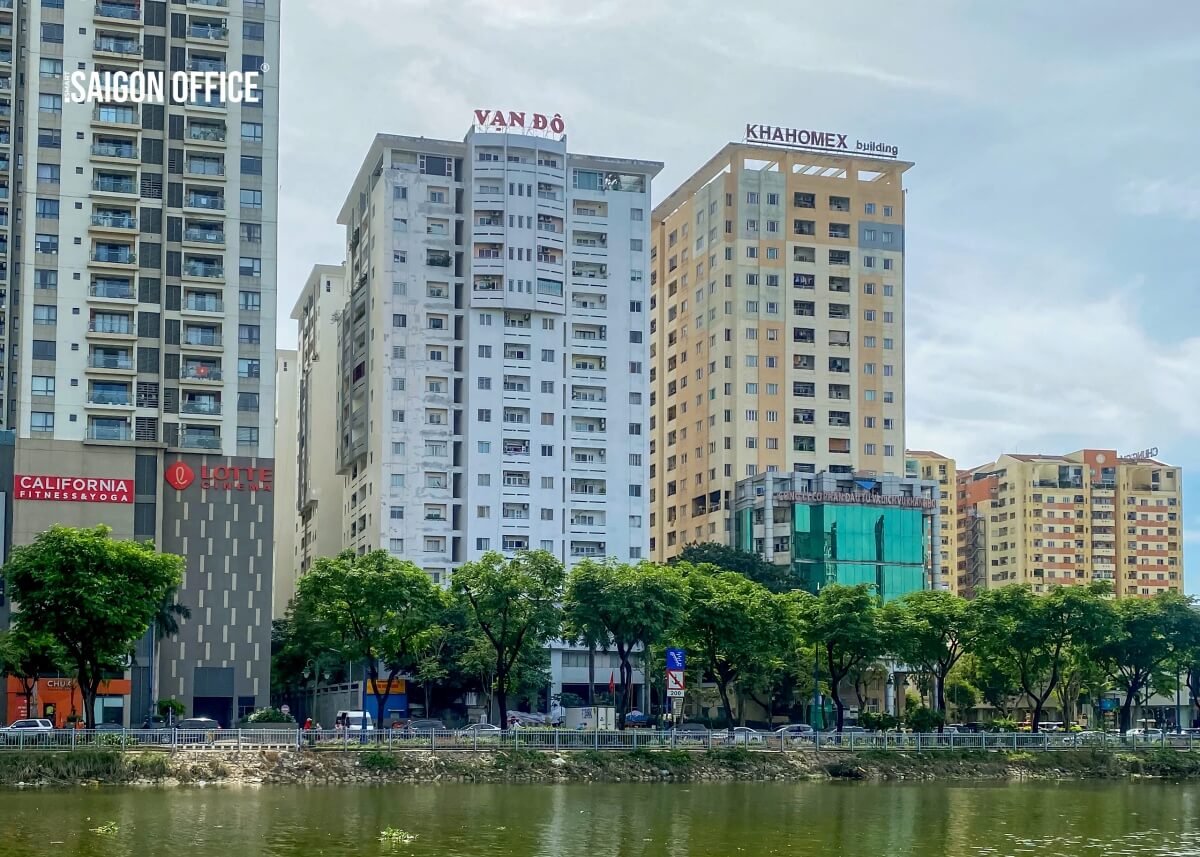
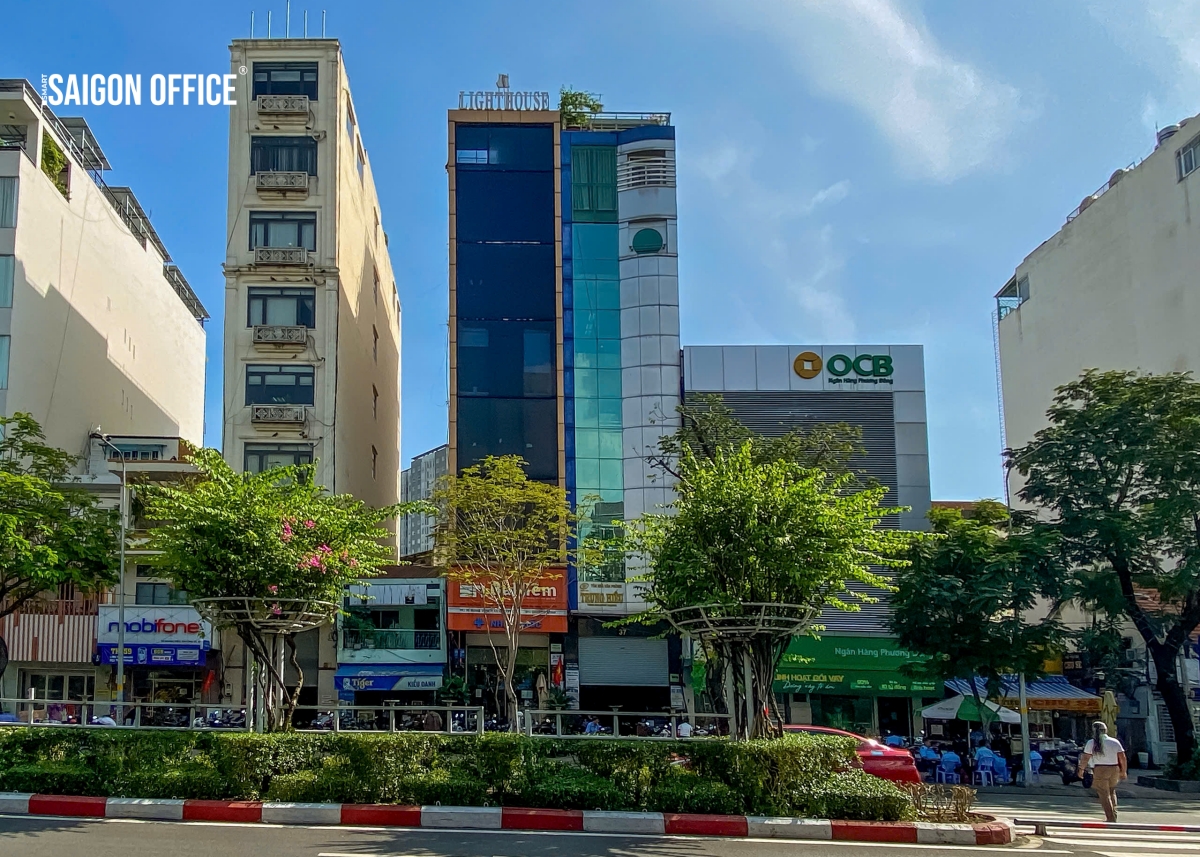
In recent years, office for lease in District 4 has been transforming from a mere “satellite” area into a strategic choice for businesses in Ho Chi Minh City. While Districts 1 and 3 were previously the sole hubs for office leasing demand, the trend has shifted markedly for the 2024–2026 period as companies increasingly prioritize a balance of cost-efficiency, operational effectiveness, and location.
According to Saigon Office, District 4 is no longer viewed merely as an “alternative” option; instead, it is becoming a preferred destination for many businesses—particularly SMEs, tech startups, and service providers.
Overview of the District 4 Office Rental Market
What stage is the District 4 office market in?
Based on data updated through 2026, Office for lease in District 4 has over 90 operational office buildings, with occupancy rates remaining stable between 88% and 92%. This is a notable figure, reflecting a market characterized not only by steady supply but also by strong, sustainable absorption.
It is worth noting that despite the relatively limited land bank in District 4, the number of buildings continues to rise steadily year after year. This trend is driven by:
- The renovation and upgrading of older buildings to meet modern standards
- The construction of small- to medium-scale buildings tailored to actual market demand
- A focus by developers on operational efficiency rather than rapid, massive expansion
From an expert perspective, this indicates a market that has moved past the phase of overheated growth and transitioned into a stage of stability and optimization.
Why has District 4 become a "strategic buffer zone"?
Unlike District 7—developed as a new urban area—or District 1—the traditional financial hub—District 4 possesses a unique advantage: its position as a transitional location. District 4 is situated right next to District 1—separated by just a single bridge—and offers direct connections to:
- Thu Thiem Urban Area (Thu Duc City)
- South Saigon (District 7)
- Inner-city districts such as District 5 and District 8
This strategic location has led to District 4 being likened to an "economic peninsula," where businesses can:
- Access the city center quickly
- Maintain reasonable rental costs
- Expand multi-directional connectivity
Distinct office rental clusters in District 4
Rather than sprawling haphazardly, the District 4 market is now concentrated into clear "clusters":
- Ben Van Don: features river-view buildings and proximity to District 1; commands the highest rents in the area
- Doan Van Bo: a rapidly developing area with many new buildings
- Hoang Dieu: a traditional, stable office corridor
- Nguyen Tat Thanh: a long-term development axis linked to major urban planning projects
Based on market activity, Saigon Office observes that tenants often prioritize specific areas based on their goals:
- Trade and business connections → choose Ben Van Don
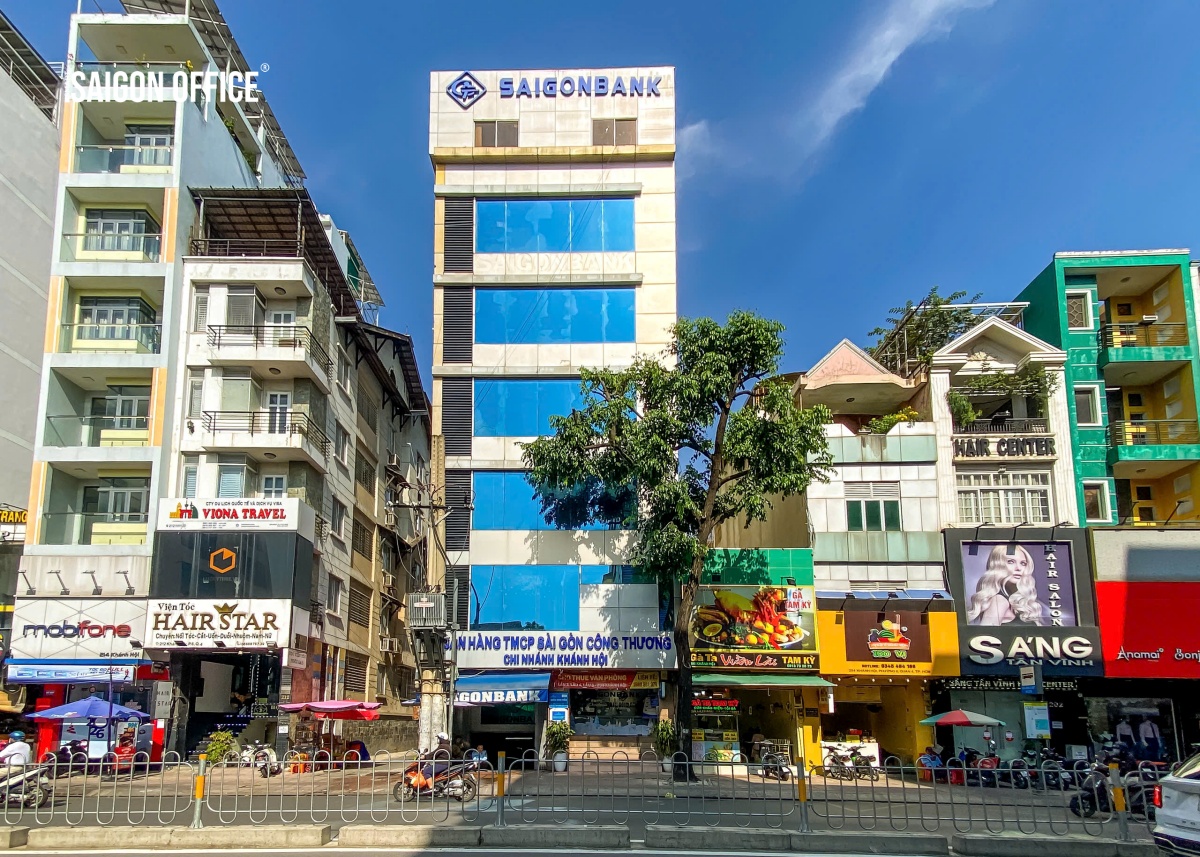
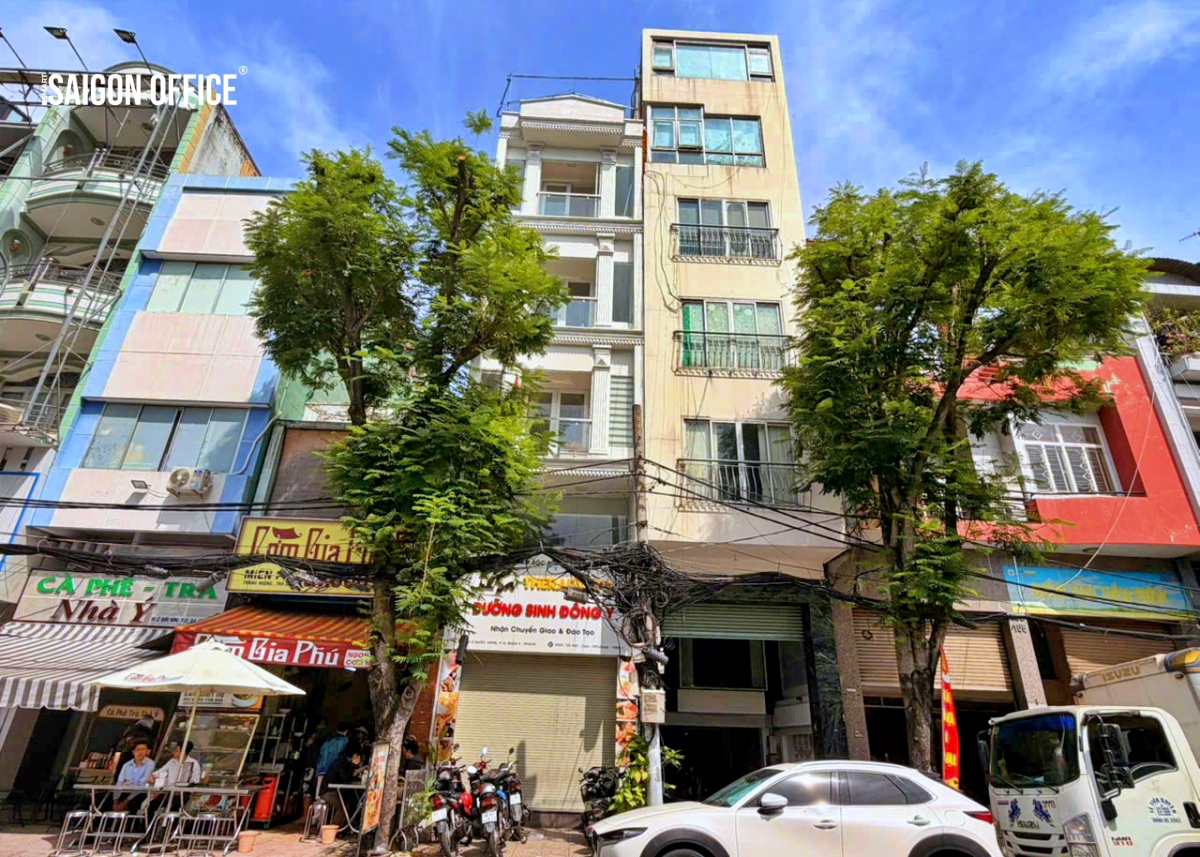
- Cost optimization → choose Doan Van Bo or Khanh Hoi
The rise of flexible office models
A notable trend is the strong growth of:
- Serviced offices
- Coworking spaces
- Fully furnished offices
These models enable businesses to:
- Shorten setup time
- Flexibly scale up or down based on business conditions
- Reduce initial investment costs—simply bring a laptop and start working
Providers such as CirCo, WeWork, and Worklabs in District 4 consistently maintain high occupancy rates, particularly among startups and technology companies.
Office Rental Rates in District 4 (2026)
What do the rental rates reflect?
Current office rental rates in District 4 range from $8 to $30 per square meter per month—approximately 25–35% lower than the average in District 1.
However, looking at these figures alone is not enough.
Based on practical consulting experience, rental rates in District 4 accurately reflect a specific market principle:
“Businesses no longer pay for an absolutely central location, but rather for actual usage efficiency.”
This explains why Grade B buildings in District 4 maintain high occupancy rates, while some high-priced buildings in the city center face prolonged vacancy periods.